Teddy Dondanville

Archives

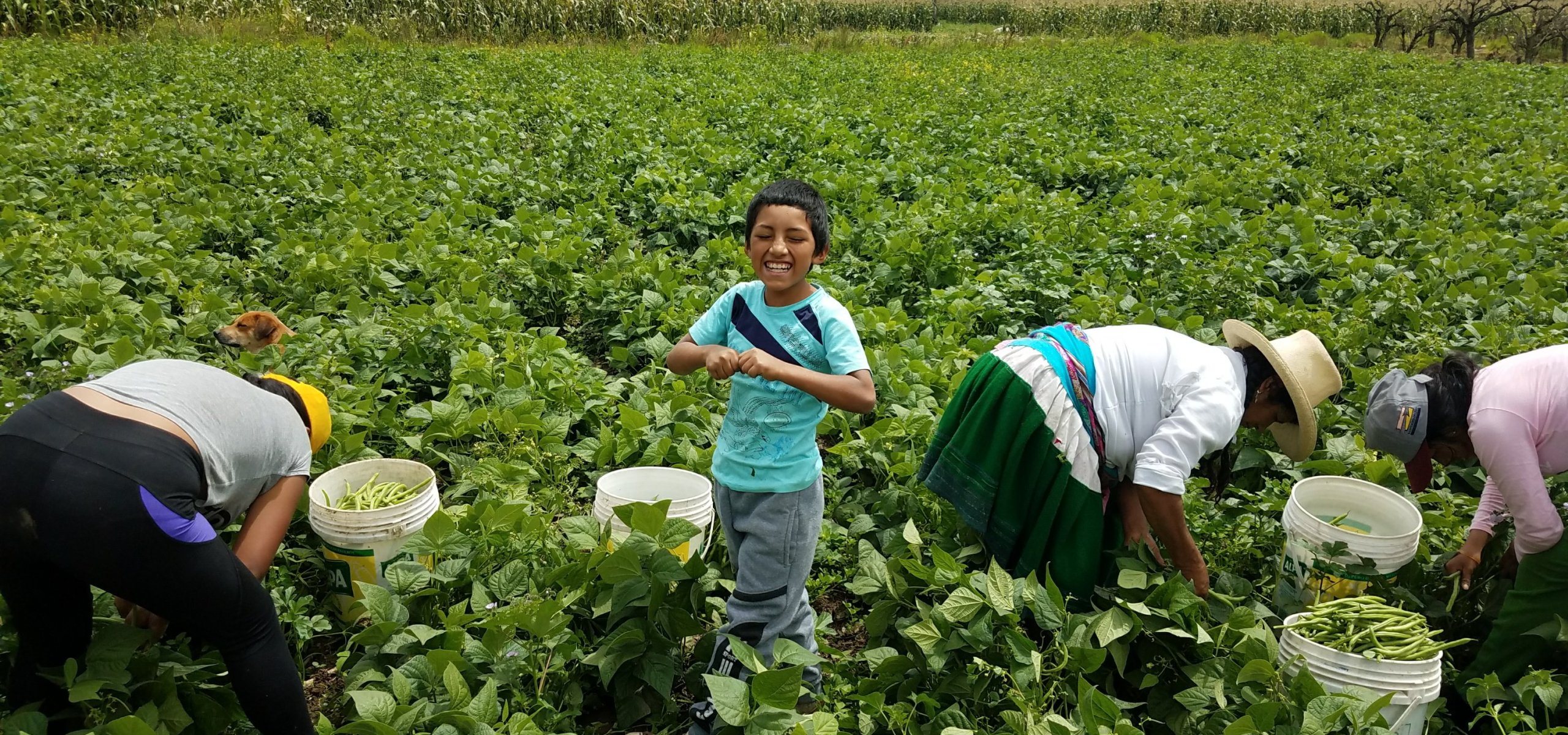
It is about that time of the year when farmers are beginning to harvest their crops. Everyday there is less and less corn in the valley. Big trucks park themselves near the farms and unload workers. They start early in the morning when everything is still wet from the rains the night before and work until about midday–just about when it’s getting too hot. They cut the corn stalks, remove the cobs… Read More
Reflexivity, Positionality, and Reciprocity In order to reduce and eliminate any sort of harm done to my participants, and to address any ethical issues, a critical conversation of reflexivity, positionality and reciprocity is important. The go-to conceptual framework that will guide this portion of my research is anti-ethnocentric and reflexive methodology (Roschelle, Toro-Morn & Facio 2010). In short, by critically examining my reflexivity in research, I can better understand my position within… Read More

Research Design In order to prepare an accurate account of the GMO moratorium in Peru this project will rely on multi-sited and macro ethnographic research methodologies. These strategies and techniques will each be theoretically informed by the feminist research qualities of reflexivity, positionality and reciprocity. The research goal will be to garner important opinions and perspectives from a myriad of stakeholders who are involved with the moratorium on GMOs—such as farmers, scientists,… Read More

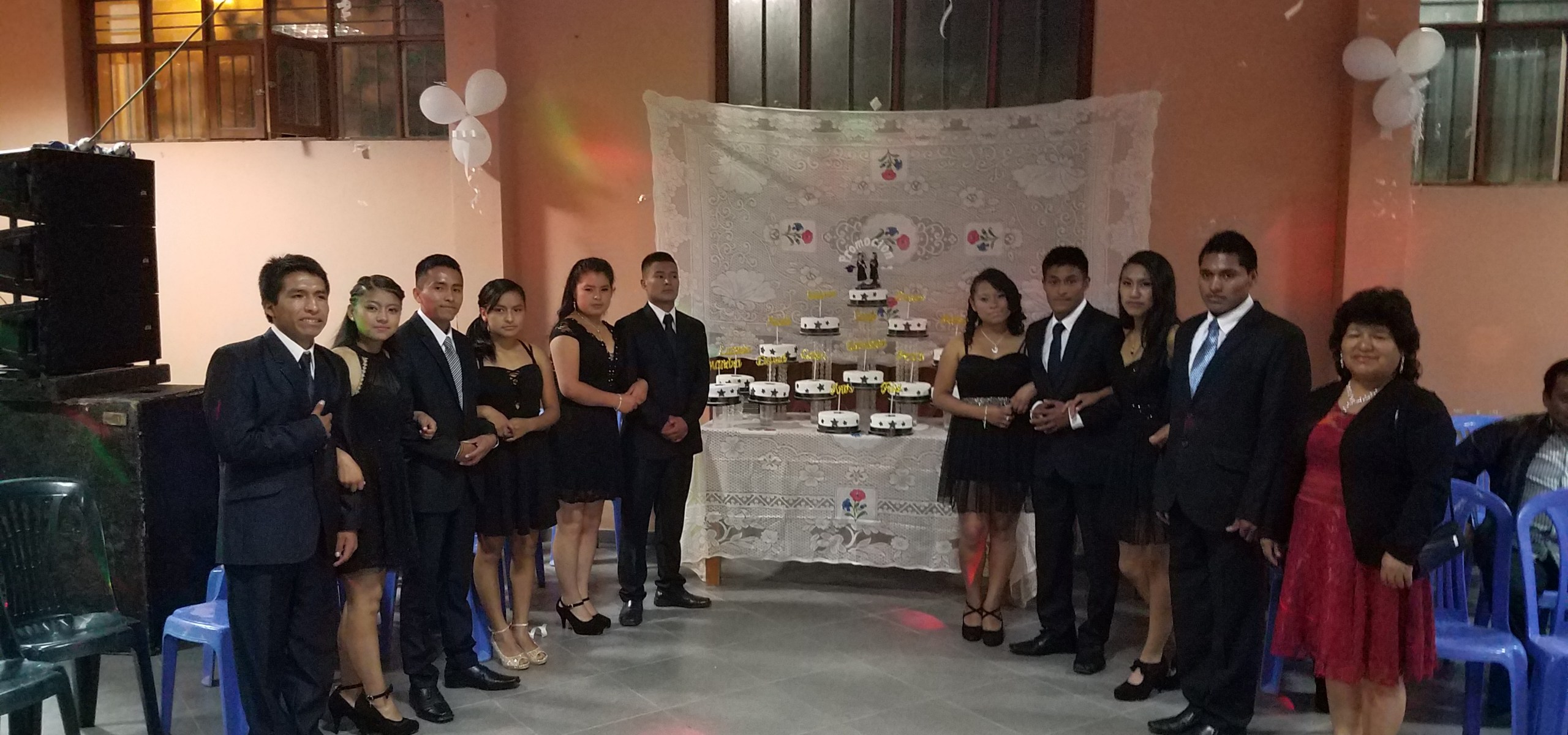
The end of the Peruvian school year is about this time. Teachers are wrapping up there coursework, preparing documents, and organizing for the next year. Students are coming to school later and later, not wearing their uniforms and getting excited for their vacation. Teachers and students get about 2 months of free time. During that time, some will work but most will play. The end of the school year is also accompanied… Read More

Indigenous Politics & Rural Lifeworlds Historically the Peruvian State has been responsible for the seizure, exploitation and destruction of indigenous communities’ lands (WRM 2011). All of which began during the Spanish colonization, continued throughout numerous presidencies, and arguably, still outlasts today. For the purposes of this paper, attention will be paid specifically to the Presidencies of Alan Garcia and Alberto Fujimori. The reason for this is because of the intimate connection between… Read More

Politics & Science When thinking about the Peruvian moratorium on GMOs it is important to consider the relationship between science and politics. Specifically, Habermas (1970) writes about the scientization of politics. This process, similar to Weber’s (1958) ideas on bureaucratization, goes one step further by politicizing the issue. The scientization of politics highlights a shift towards a technocratic model of governmentality in which politics is replaced by scientifically rationalized administrations (Habermas 1970)…. Read More

It seems to me That we Just cannot leave it be You are not like me Instead we Differ, you see? I am unique High up on my peak Way down below, you the freak. 

Theoretical Foundations Certain theoretical frameworks or “currents of thought” (Schram 2006: 63) will inform this proposal and the eventual research that is to be completed in Peru. By beginning with a discussion of neoliberalism, the paper will present the political hegemony that dominates the following sections—governance, politics and science, and rural (often indigenous) lifeworlds. In other words, neoliberalism, and its ability to permeate into, and influence the myriad of spheres contained within… Read More

Two days ago was my aunt’s 50th birthday party. I was invited by my host-dad to attend. He was excited to introduce me to his side of the family and eat panchamanca. About a week ago I was all for it. However, when the day came an interesting thing happened. The best way I can describe how I felt about going to the party was unexcited and demotivated. I felt this way… Read More